Commercial Waste in Osterley
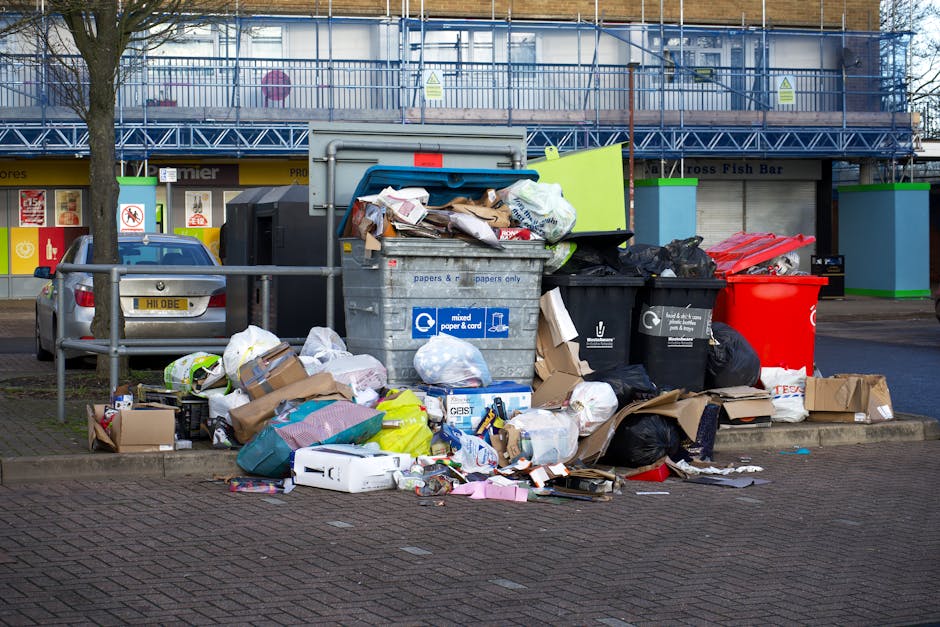
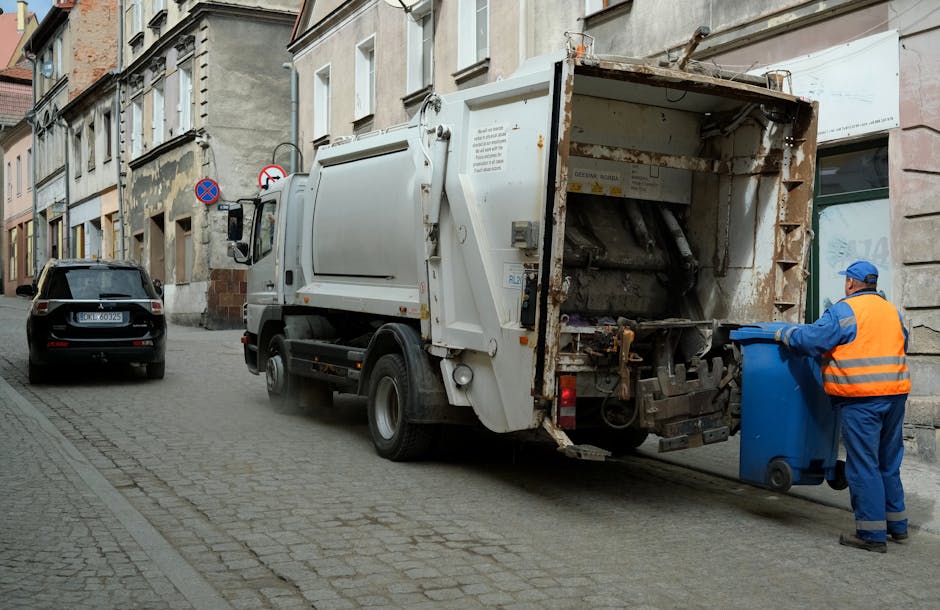
Commercial waste in Osterley needs a practical service that keeps day-to-day business spaces clear, handles recurring rubbish responsibly and deals with one-off items without disrupting work. Our focus is straightforward: collecting and removing commercial waste from premises in Osterley with a service shaped around the sort of material businesses regularly produce. That can include mixed office waste, packaging, bulky discarded items, appliances and other non-hazardous rubbish that no longer has a place on site.
We work with businesses that want a tidier premises, better use of storage and a more manageable route for disposing of unwanted material. The service is designed for commercial settings rather than domestic clearances, so it suits offices, retail units, small workshops, hospitality spaces and other workplaces that need waste cleared with care. If you are comparing options, our pricing and quotes information gives a useful starting point for understanding how quotations are put together.
Because commercial waste varies from site to site, the service is best thought of as a flexible removal solution rather than a fixed-size job. Some customers need a single clearance after an office refit, while others need a regular emptying plan for accumulating waste. Either way, the aim is to remove rubbish efficiently, keep the process orderly and leave the site ready for normal business use again.
What commercial waste removal can cover
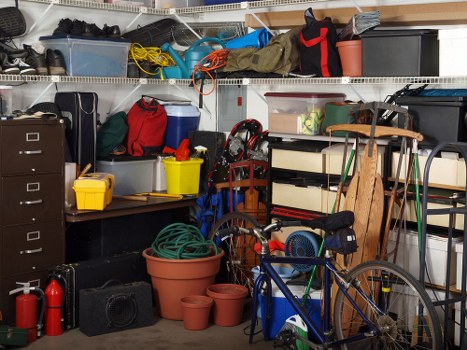
Commercial waste removal usually starts with identifying what needs to go, what can be separated for recycling and what needs special handling. In practice, that often means bags of general office rubbish, cardboard, shelving that is no longer needed, broken fixtures, surplus stock packaging and items removed during workplace clear-outs. The more clearly the waste is grouped, the easier it becomes to organise the collection in a way that matches the site and the load.
We can also deal with many bulky items that are awkward to move through a business property, such as desks, cabinets, chairs and other worn-out fittings. Where businesses are replacing equipment, it can be helpful to remove old items at the point of changeover so the area does not become congested. For appliance-related removals, the dedicated fridge and appliance removal page explains a separate route for those items.
Commercial waste work often benefits from simple organisation. A short list can help decide what should be removed first and what can wait for a later collection:
- bagged general waste and packaging
- office furniture and worn fittings
- stockroom or storage-room clutter
- single bulky items or grouped loads
- mixed recyclables where separation is practical
Business premises and working spaces

Every commercial property creates a different waste pattern, so the service needs to work around the layout and the pace of the business. Offices often generate paper, packaging, desks and redundant equipment, while shops may need help with display fittings, packaging and store-room waste. Workspaces used for trades or services can have mixed rubbish that builds up around storage areas, making it harder to keep the site organised.
Our business waste removal service is intended to support those everyday site clearances without turning them into a major interruption. It is often useful when premises are changing use, reducing clutter or making room for new equipment. Where a fuller clean-out is needed, the office clearance page is a relevant option for office-specific jobs, while the broader business waste removal page covers the main service type in more detail.
Simple preparation makes the collection more efficient. If possible, keep the material to be removed together, separate anything you want to retain, and note any access details that could affect carrying or loading. A few clear photographs can help with planning, though they are not a replacement for an accurate description of the waste. If you need help deciding what to include, a short enquiry with the type of items and the approximate amount is usually the right starting point.
Bulky items, furniture and equipment
Commercial clearances often involve more than loose rubbish. Desks, chairs, filing cabinets, shelving and other business furniture can take up valuable space even when they are no longer in use. Removing them in one organised visit helps avoid the slow build-up that can happen when items are left in corners, storerooms or unused office areas. It also makes it easier to sort what is reusable, recyclable or suitable for disposal.
For workplaces replacing furniture, a focused clearance can reduce disruption during a move or refurbishment. The service may be suitable where only certain items need removing, as well as where a larger section of a room or floor needs to be cleared. If your project centres on discarded office fittings, the furniture clearance page is a useful related option, and the furniture disposal page supports enquiries about unwanted items that are ready to leave the premises.
Commercial furniture often needs handling with care because it can be awkward to move through corridors, lifts or shared entrances. That means the practical side of the job matters as much as the removal itself. Access routes, parking and loading space can all influence the most sensible collection plan, particularly where larger items need to be taken through busy working areas without disturbing staff or customers.
Recycling, sorting and responsible handling

Where possible, commercial waste should be sorted so that recyclable material does not end up mixed in with general rubbish unnecessarily. Cardboard, paper, metal and some office items can often be separated from the load, depending on their condition and composition. Clear sorting is not just a housekeeping matter; it also helps the service move in an orderly way and makes the overall collection easier to manage.
We also provide a sensible route for material that needs a more careful approach. Some items are unsuitable for ordinary mixed waste handling, while others may need a specific disposal method because of their contents, condition or composition. For those cases, the hazardous waste disposal page is the relevant place to look, and the confidential shredding page covers paper records that should not be treated as ordinary office waste.
Good sorting can help keep the job efficient, but it does not mean everything has to be separated in advance. Where a site is busy, our role is to help make the process manageable and to deal with the material in a way that fits the nature of the waste. Clear information about the type of items, the amount and any restrictions on access is usually enough to shape a practical plan.
Planning a collection around your site
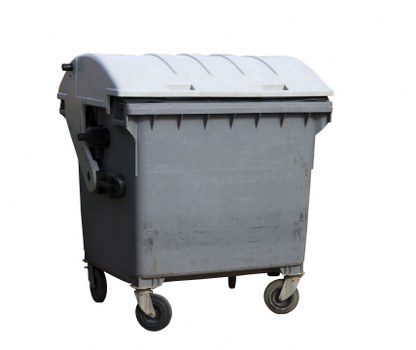
Commercial waste collections work best when they are planned around the realities of the premises rather than around a fixed ideal schedule. Some sites need a single clearance after an office declutter, while others may want repeat attention when stockrooms, back offices or service areas begin to fill up. The important point is that the collection should fit the waste pattern, not force the business to work around the waste.
There are a few details that help create a sensible quotation and a smoother collection: the type of material, the approximate volume, whether items are bulky, and whether there are access limitations such as stairs, narrow passages or shared entrances. If the site involves an unusually large load or a mixture of item types, mentioning that early helps avoid confusion later. For readers comparing the broader service offer, waste removal provides a general page on the main collection service, while builders waste clearance is relevant where the waste comes from refurbishment or fit-out work.
For a quotation, send a clear description of what needs collecting and the premises type, then ask for the most suitable option for the amount of waste involved. If you are ready to take the next step, please request a quotation.
Office waste and day-to-day workplace clearance
Offices produce a steady flow of waste that can become awkward if it is left to pile up in corners, cupboards or under desks. That can include paper, packaging, broken office furniture, redundant computer peripherals and items taken out during a restructure. A commercial waste service for office settings should deal with that material in a tidy, proportionate way so that the workplace can return to normal use quickly.
Where an office is being reorganised, it can be sensible to clear the unwanted material in stages. This helps keep important equipment and records separate from rubbish and can make it easier to work floor by floor or room by room. The loft clearance page is not a direct substitute for office work, but it shows the kind of fuller clear-out service available for areas that have accumulated mixed belongings over time. For business premises, the aim remains the same: reduce clutter and move waste out efficiently.
We aim to keep explanations practical rather than overloaded with jargon. If you are weighing up a collection, think about the kinds of items present, whether anything needs special handling and how quickly the area needs to be usable again. A concise description is usually enough to start the process and to decide whether the work is best handled as a small clearance, a fuller site visit or a recurring collection.
Waste from retail and storage areas
Retail units, stockrooms and back-of-house areas often generate commercial waste in a slightly different way from offices. Packaging, damaged displays, unwanted fixtures and mixed storage clutter can build up where there is limited time to sort through it. A removal service for these settings needs to be responsive to awkward access, mixed item sizes and the fact that the waste may be spread across several parts of the premises.
In retail environments, the best time to remove waste is often during a quieter window or as part of a planned reset. That can help minimise disruption and prevent trading spaces from becoming cramped. If the unwanted items are mostly furniture or fittings, the house clearance and home clearance pages are not the right commercial routes, but they show how mixed-item clearances are described on the site. The better match for business premises remains the commercial waste service and its related business pages.
Storage areas are especially likely to hold more than one type of rubbish at once. That means one collection might include cardboard, damaged stock packaging, worn display materials and obsolete equipment. When these loads are clearly described, it is easier to decide whether a single visit is enough or whether the waste should be split into separate groups for practical removal.
Commercial waste and refurbishment work
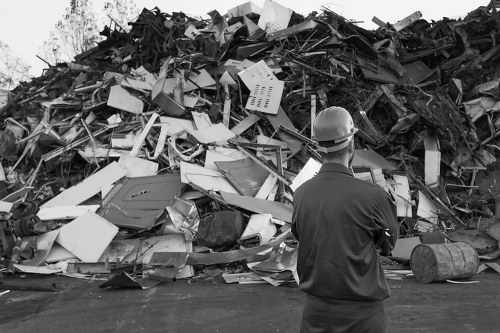
Refits, refurbishments and changing layouts often produce a short burst of waste that is different from ordinary day-to-day rubbish. Old fixtures, fittings, broken materials and redundant office or shop items can quickly fill a room or service corridor. A commercial waste clearance supports this kind of project by removing the unwanted material once it has been taken out of use, allowing the work to move forward without unnecessary clutter.
Where building-related waste is involved, it is helpful to separate what belongs to a trade project from ordinary business rubbish. The builders waste clearance page is the most relevant related destination for that kind of load. If the job is mostly about leftover office contents or equipment replacement rather than structural work, the commercial waste service may be the better fit. The key is matching the collection to the actual material on site.
In practice, refurbishment waste tends to be bulky, mixed and inconvenient to leave in place. It may include panels, broken furniture, offcuts, packaging and general rubbish from the project. A clear description of the items and the state of the premises helps shape a collection that is realistic for the access available and appropriate for the amount that needs to go.
About Osterley
Osterley is a district in west London best known for its large parkland setting, historic estate and varied suburban character. At its centre stands Osterley Park and House, a notable National Trust property whose roots lie in a grand 18th-century country house surrounded by landscaped grounds. The estate remains one of the area’s defining landmarks, with open green space, mature trees and formal gardens giving the locality a distinctly spacious feel despite its position within the capital. Nearby, the Grand Union Canal contributes another important feature of the local landscape, linking the area to wider transport and industrial histories that shaped west London’s growth. Osterley Underground station, on the Piccadilly line, provides a clear modern connection, while the surrounding roads and housing show the blend of older and later development typical of this part of Hounslow. The district includes residential streets, business premises and open land in close proximity, so the local pattern is not purely urban or purely suburban but a mixture of both. Architectural variety can be seen in the area’s housing, which ranges from interwar and later developments to older properties associated with the estate’s long history. In cultural terms, Osterley is closely tied to west London’s broader identity, where parks, canals, commuter links and historic houses sit alongside everyday neighbourhood life. The result is a place with recognisable green landmarks, a strong sense of setting and a history that is visible in its surviving buildings and public spaces.
Getting a quotation for commercial waste in Osterley
When you are ready to arrange commercial waste removal in Osterley, the most useful first step is to describe the material clearly and decide which parts of the site need attention. The more accurate the description, the easier it is to match the service to the job. That applies whether the clearance is for an office, a retail unit, a storage room or a mixed business premises with several waste types at once. If you want to explore the general process first, our about us page gives a broader sense of the company’s main service pages.
For some customers, the decision comes down to timing and volume. A modest load of business rubbish may be straightforward, while a larger clearance with furniture or mixed items may need more careful planning. If you are checking how different pages relate to each other, the garage clearance page and flat clearance page show related clearance categories, though commercial waste is the right starting point for workplace rubbish. Two simple checks are usually enough: what needs removing, and when the site needs to be clear.
Request a quotation when you are ready, and include the type of waste, the approximate amount and any access details that might affect collection. If you prefer to compare the main service information first, read through the pages above and then send a concise enquiry. Our final recommendation is simple: describe the waste clearly and ask for a quote.